Editable Crazy 3d Font Effect: A Practical Review of Vector Typography Assets
In the landscape of digital design, typography is rarely just about selecting a typeface; it is about manipulating form, depth, and visual impact. For professionals ranging from freelance graphic designers to small business owners managing their own marketing materials, the ability to create high-quality, three-dimensional text effects without spending hours in complex software can be a significant workflow advantage. This is where specialized vector assets come into play. One such resource that has drawn attention for its balance of aesthetic appeal and technical flexibility is the Editable Crazy 3d Font Effect. This collection offers a suite of pre-designed, fully editable vector fonts that promise to streamline the creation of bold, dimensional text for various commercial and personal projects.
Understanding the value proposition of this asset requires looking beyond the visual "wow" factor. It is essential to evaluate the underlying file structure, the ease of customization, and the practical applications across different design mediums. The following analysis breaks down the key features, usability, and potential limitations of these 100 editable font effects, providing a clear picture of how they fit into a professional design workflow.
Core Characteristics and Technical Specifications
The primary selling point of the Editable Crazy 3d Font Effect lies in its format and editability. Unlike raster-based images or locked PSD files that require specific layer structures to modify, these assets are provided in fully vector formats, specifically Ai (Adobe Illustrator) and EPS. This distinction is critical for modern design workflows because vector graphics are resolution-independent. Whether a designer needs to scale a logo up for a billboard or down for a mobile app icon, the edges remain crisp and clean. There is no pixelation, which ensures consistency across all output sizes.
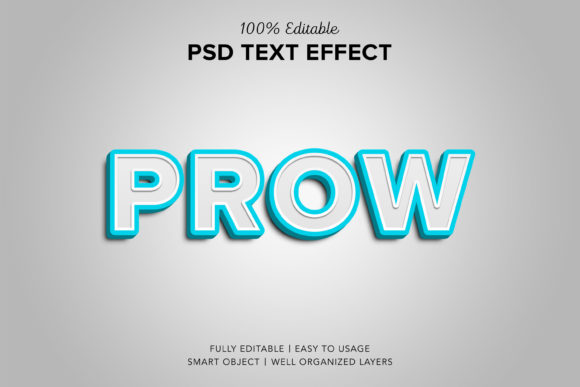
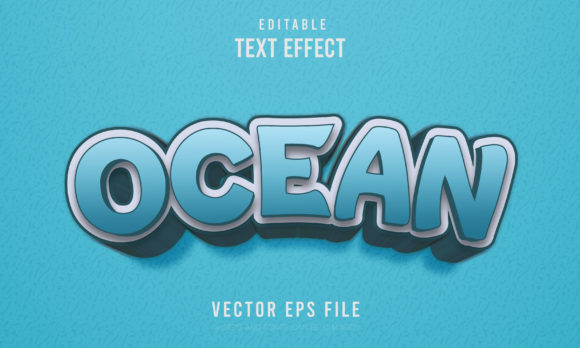
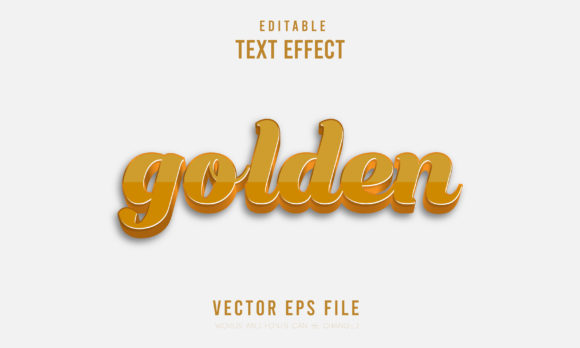
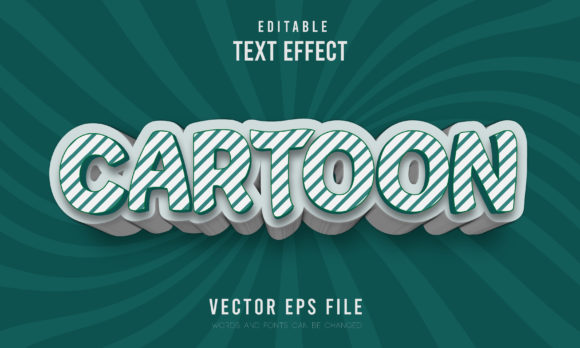
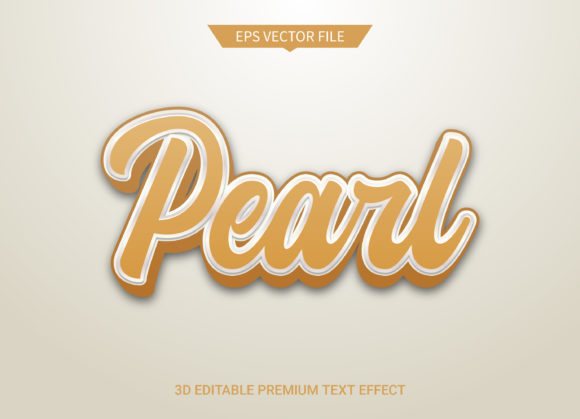
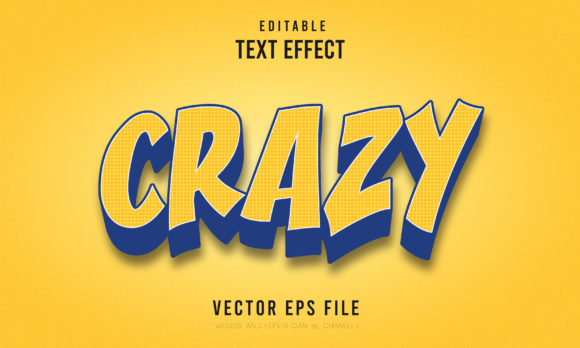
The collection includes 100 distinct font styles, each designed with a "crazy" or exaggerated three-dimensional aesthetic. These are not standard alphabets but rather stylized characters that incorporate depth, shadow, and structural complexity. Despite their intricate appearance, they are constructed as editable text objects or compound paths that allow users to change the character content directly. This means a designer can select the word "SALE," replace it with "NEW ARRIVAL," and the 3D effect automatically adapts to the new length and letter count. This level of editability reduces the need for manual reconstruction of every design element, saving valuable time during the production phase.
Usability and Skill Requirements
One of the most frequently cited barriers to creating high-end 3D typography is the steep learning curve associated with software like Adobe Illustrator or Cinema 4D. Achieving realistic lighting, shadows, and extrusion effects often requires advanced knowledge of blending modes, gradient meshes, and perspective tools. The Editable Crazy 3d Font Effect addresses this by lowering the skill threshold. The description emphasizes that there is "no skill requirement" to use these assets, which is an accurate reflection of their intended utility.
For beginners or those who do not identify as graphic designers, these fonts offer a way to produce professional-looking results through simple click-and-replace actions. However, it is important to contextualize this claim. While the basic replacement of text requires minimal skill, achieving optimal visual hierarchy and composition still benefits from a foundational understanding of design principles. A user might easily swap the text, but arranging the resulting 3D block within a layout alongside other elements still requires an eye for balance. Therefore, while the tool itself is accessible, effective usage depends on the user’s broader design sensibility.
For experienced professionals, the value shifts from accessibility to efficiency. When working under tight deadlines, using pre-built, high-quality vector effects allows designers to focus on strategy and layout rather than repetitive manual drawing. The consistency of the 3D style across all 100 fonts also ensures brand cohesion if multiple pieces of collateral need to share a similar typographic voice.
Practical Applications and Versatility
The versatility of vector-based 3D fonts makes them suitable for a wide array of media. Because the files are scalable and editable, they can be adapted to both print and digital contexts without loss of quality. Below are several specific use cases where these assets demonstrate strong practical value:
- Social Media Marketing: Social media platforms demand visually striking content to capture attention in crowded feeds. The bold, dimensional nature of the Crazy 3d Font Effect is ideal for Instagram story covers, Facebook post headers, and YouTube thumbnails. The high contrast and depth help text stand out against busy background images.
- Print Collateral: Since the files are in Ai and EPS formats, they are print-ready. They can be used for large-format banners, flyers, and posters. The scalability ensures that even when printed at physical dimensions, the text remains sharp. This is particularly useful for event promotions or product launches where legibility from a distance is crucial.
- Apparel and Merchandise: T-shirt designs and clothing lines often rely on bold typography. The vector nature of these fonts allows for easy separation of color layers, which is beneficial for screen printing or DTG (Direct-to-Garment) printing processes. Designers can isolate specific parts of the 3D effect to apply different colors or textures to fabric.
- Branding and Logos: While less common for minimalist brands, startups or creative agencies looking for a playful, energetic identity might find these fonts useful for logo presentations or brand marks. The uniqueness of the "crazy" style helps differentiate a brand from competitors using more traditional serif or sans-serif typefaces.
- Digital Illustrations and Greetings: For greeting cards and digital illustrations, these fonts add a tactile quality to digital art. They bridge the gap between flat digital design and physical craft aesthetics, making them appealing for holiday cards, birthday invitations, and personalized gifts.
Quality Assessment and Long-Term Value
When evaluating any design asset, long-term value is determined by durability and adaptability. Raster assets become obsolete as display resolutions increase, requiring constant re-creation. Vector assets, however, are future-proof. The inclusion of both Ai and EPS formats in the Editable Crazy 3d Font Effect package ensures compatibility with a broad range of software ecosystems. While Adobe Illustrator is the industry standard, EPS files are widely supported by other vector editors like CorelDRAW, Affinity Designer, and Inkscape, making the asset accessible to users who may not have an Adobe subscription.
The quality of the 3D rendering within these vectors is generally consistent, offering a polished look that would take considerable time to replicate manually. However, users should be aware that "editable" does not always mean "infinitely customizable." Some complex 3D effects may be built using merged shapes rather than true text layers, depending on how the original artist structured the file. It is advisable to open the files in a vector editor and inspect the layers before purchasing or downloading to ensure the text portion is truly editable as text versus a converted path. If the text is converted to paths, changing the wording becomes a manual task of recreating letters, which negates one of the primary benefits.
Target Audience and Suitability
This resource is best suited for individuals who need high-impact typography but lack the time or advanced skills to build it from scratch. Freelancers handling multiple client projects will appreciate the speed boost. Small business owners who manage their own social media and print ads will find the ease of use particularly valuable. Educators and bloggers can also utilize these effects to make educational materials or blog headers more engaging without needing to hire a dedicated graphic designer.
Conversely, professional typographers or designers specializing in custom lettering may find these assets too generic or restrictive. The "one-size-fits-all" nature of pre-made fonts limits the ability to create bespoke, unique letterforms that align with highly specific brand identities. For those seeking pure originality, building custom 3D text in software remains the superior choice. However, for general-purpose design tasks where speed and visual punch are prioritized over bespoke uniqueness, the Editable Crazy 3d Font Effect offers a compelling solution.
Conclusion
The Editable Crazy 3d Font Effect represents a pragmatic intersection of aesthetic appeal and technical convenience. By leveraging vector technology, it provides scalable, high-resolution assets that can be adapted to numerous design contexts, from digital banners to physical merchandise. Its strength lies in its accessibility, allowing users with varying levels of expertise to produce professional-grade 3D typography efficiently. While it may not replace the need for custom design work in highly specialized branding scenarios, it serves as a powerful tool for enhancing everyday creative projects. For anyone looking to elevate their visual communication with bold, dimensional text without investing extensive time in software mastery, this collection offers solid utility and enduring value.