Evaluating Book Cover 3D Mockup Bundle Vol 3 for Professional Design Workflows
In the competitive landscape of book publishing and graphic design, visual presentation is not merely an aesthetic choice; it is a critical component of marketing and consumer engagement. Authors, publishers, and designers must communicate the tone, genre, and quality of a literary work before a single page is turned. This reality has elevated the importance of high-fidelity mockups in the pre-production and promotional phases. Among the various resources available to professionals, the Book Cover 3D Mockup Bundle Vol 3 has emerged as a significant tool for those seeking efficiency without compromising on visual realism. This evaluation explores the technical specifications, practical applications, and comparative advantages of this resource, helping designers determine if it aligns with their specific project requirements.
Understanding the Core Offering
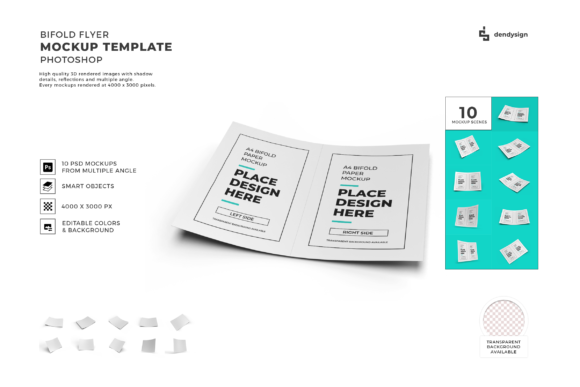
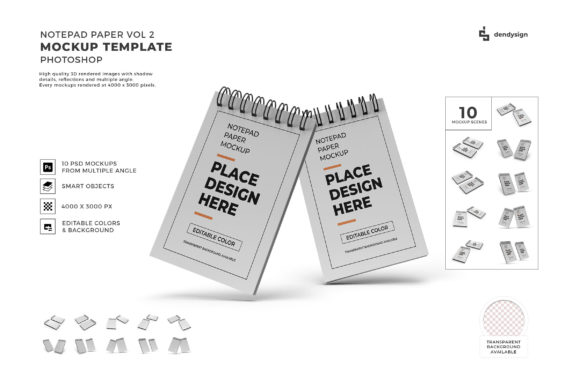
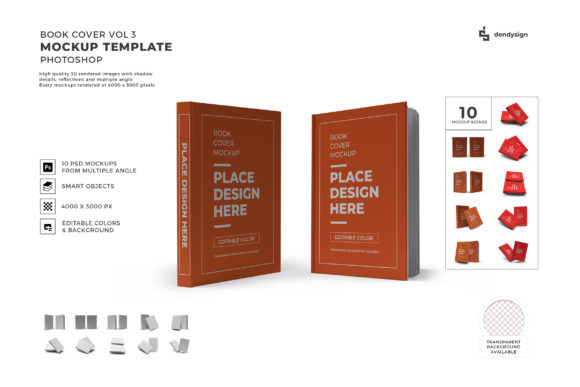
The Book Cover 3D Mockup Bundle Vol 3 represents a collection of digital assets designed to simulate realistic physical books in three-dimensional space. Unlike flat二维 (two-dimensional) representations, these mockups utilize advanced layering techniques within Adobe Photoshop to create depth, shadow, and perspective. The bundle typically includes a variety of angles—such as front-facing, angled spines, and open spread views—allowing designers to present their cover art from multiple viewpoints simultaneously. This versatility is crucial for creating cohesive marketing materials, whether for social media campaigns, Amazon product listings, or print-ready proofs.
What distinguishes Volume 3 from earlier iterations or standalone templates is its emphasis on structural variety and lighting consistency. The files are provided in High Resolution PSD Format, ensuring that when scaled for large-format printing or viewed on high-density displays, the image remains crisp and free of pixelation. For professionals who frequently iterate on designs, the ability to swap out cover artwork quickly while maintaining consistent lighting and texture is invaluable. The bundle is engineered to streamline this process, reducing the time spent on manual compositing and allowing more focus on the creative aspects of the cover design itself.
Technical Advantages and Workflow Efficiency
When evaluating design tools, the ease of integration into existing workflows is a primary decision factor. The Book Cover 3D Mockup Bundle addresses common pain points in digital mockup creation through several key features:
- Organized Layers: One of the most tedious aspects of using generic mockups is navigating cluttered file structures. This bundle features well-organized layers, often grouped logically by element type (e.g., shadows, highlights, base book shape). This organization allows designers to make precise adjustments to individual components without affecting the integrity of the entire composition. It also facilitates non-destructive editing, meaning original source files remain intact even after extensive modifications.
- Transparent Background Available: Versatility in placement is essential for modern design projects. The inclusion of transparent background options allows the mockup to be placed over any backdrop, pattern, or color scheme. This feature is particularly useful for creating lifestyle images where the book appears to be resting on a table, held in hands, or integrated into a broader scene. It eliminates the need for complex masking techniques that can often result in jagged edges or unnatural blending.
- Easy to Edit: The template is designed with user experience in mind. Most versions utilize smart object functionality, which means users can simply double-click the designated area, paste their new cover design, save, and see the update reflected instantly in the 3D view. This intuitive workflow significantly reduces the learning curve for junior designers and accelerates turnaround times for seasoned professionals managing multiple client projects.
Comparative Analysis: Styles and Alternatives
To understand the value proposition of the Book Cover 3D Mockup Bundle Vol 3, it is helpful to compare it against other common approaches in the market. Designers generally choose between purchasing comprehensive bundles, buying individual mockup files, or creating custom renders from scratch.
Bundles vs. Individual Files: While individual mockups may seem cost-effective initially, they often lack consistency in style and lighting. A designer might end up with a stack of disparate files that do not match in terms of paper texture, spine thickness, or shadow direction. In contrast, a bundle like Volume 3 ensures a unified aesthetic across all assets. This consistency is vital for brand cohesion, especially for authors who need to produce a series of books or for publishers launching a new imprint. The bulk acquisition model of a bundle also offers better long-term value, providing a reusable library of assets that can serve multiple projects over time.
PSD Templates vs. 3D Rendering Software: Some advanced users may opt to use 3D modeling software such as Blender or Cinema 4D to create bespoke mockups. While this approach offers ultimate control over geometry and lighting, it requires a steep learning curve and significant processing power. The Book Cover 3D Mockup Bundle serves as a pragmatic alternative for the majority of graphic designers who operate primarily within the Adobe Creative Cloud ecosystem. It bridges the gap between flat design and complex 3D rendering, offering photorealistic results with minimal technical overhead. For projects with tight deadlines or limited budgets, the PSD-based approach is often the more efficient choice.
Limitations and Considerations
No digital asset is without its limitations. When considering the Book Cover 3D Mockup Bundle Vol 3, potential users should be aware of certain constraints. First, the reliance on Photoshop means that users must have access to this specific software. While Adobe Creative Cloud is industry-standard, it may not be accessible to hobbyists or those using open-source alternatives like GIMP, although some community-driven conversions exist, they may not offer the same level of ease or reliability.
Secondly, the realism of any PSD mockup is dependent on the quality of the source image used for the cover art. If the input image lacks sufficient resolution or has poor contrast, the final composite will reflect those deficiencies regardless of the mockup’s quality. Designers must ensure their source files meet high-resolution standards to fully leverage the capabilities of the bundle. Additionally, while the bundle offers variety, it may not include every niche style imaginable. For instance, highly stylized or abstract 3D effects might require specialized templates outside the scope of a general-purpose bundle.
Best-Fit Scenarios and Decision Factors
Determining whether the Book Cover 3D Mockup Bundle Vol 3 is the right choice depends largely on the specific needs of the project. This resource is particularly well-suited for freelance graphic designers who handle multiple client accounts and need to deliver polished presentations quickly. It is also ideal for self-publishing authors who wish to create professional-grade marketing materials without hiring a dedicated photographer for product shots. The bundle’s strength lies in its ability to provide a "plug-and-play" solution that maintains a high standard of visual fidelity.
Conversely, if a project requires hyper-specific environmental integration—such as placing a book in a unique, custom-built set or requiring dynamic lighting that interacts with complex foreground objects—a custom 3D render might be necessary. Similarly, for designers working exclusively in vector-based workflows, raster-based PSD files may not integrate seamlessly, though they can still be used as reference or final output assets.
Ultimately, the decision rests on balancing time, budget, and quality expectations. The Book Cover 3D Mockup Bundle Vol 3 excels in scenarios where speed and consistency are paramount. Its organized structure, high-resolution outputs, and editable nature make it a robust tool for enhancing the perceived value of book covers. By leveraging these assets, designers can elevate their presentations, communicate more effectively with clients, and produce marketing materials that stand out in a crowded digital marketplace. For those looking to streamline their workflow while maintaining professional standards, this bundle offers a compelling combination of utility and aesthetic appeal.