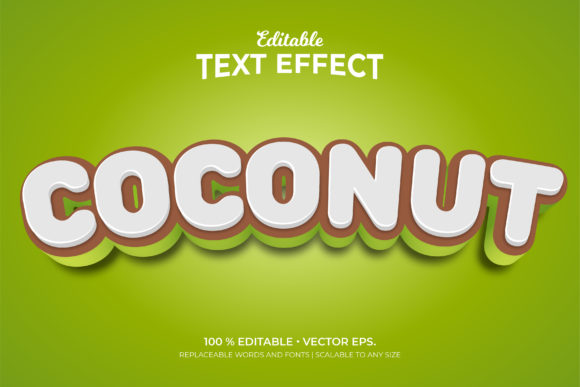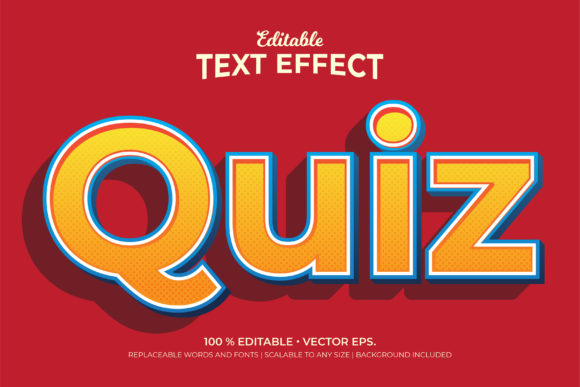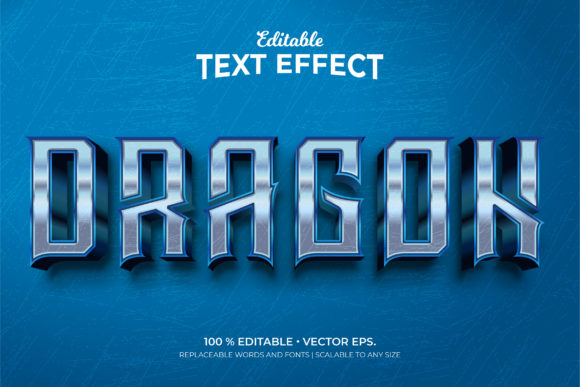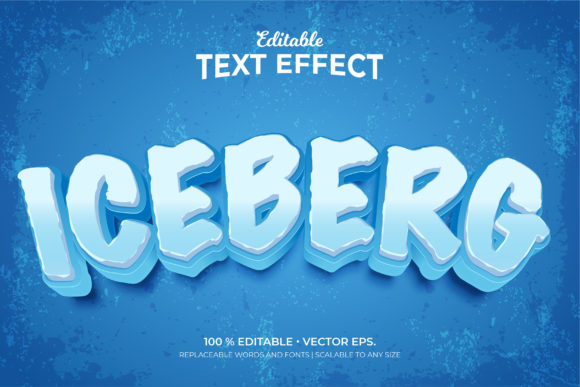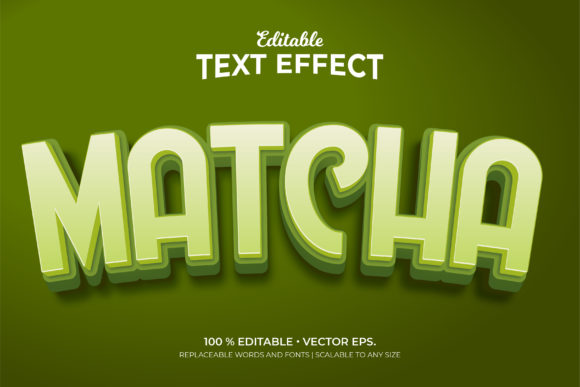
Matcha 3d Style Editable Text Effects
Visual hierarchy is the backbone of effective design, yet many creators underestimate the power of a well-executed text effect to elevate a simple layout into something memorable. If you are looking to add depth, texture, and a modern aesthetic to your typography without spending hours modeling in complex 3D software, the Matcha 3d Style Editable Text Effects template offers a streamlined solution. This resource is designed for those who need professional-grade results quickly, bridging the gap between basic graphic design and high-end motion graphics aesthetics.
However, downloading a template is only half the battle. The true value lies in understanding how to integrate it seamlessly into your workflow. Many users encounter friction not because the tool is flawed, but because they overlook critical details regarding file formats, color management, and font compatibility. By addressing these common pitfalls, you can ensure that your designs remain scalable, editable, and visually striking.
Understanding the Matcha Template Structure
The core appeal of this specific template lies in its balance between complexity and usability. It provides a sophisticated 3D look—reminiscent of extruded, textured lettering—but delivers it through a vector-based framework. This means you are not stuck with rasterized pixels that blur when scaled up. Instead, the Vector EPS CC format ensures that every curve and edge remains crisp at any resolution, whether you are designing a business card or a billboard.
For beginners, the learning curve can sometimes feel steep when dealing with 3D-style effects. A common mistake is assuming that "editable" means you can change the geometry of the 3D shape itself freely. In reality, most vector 3D templates rely on pre-set paths and layer styles. The key to success here is recognizing that while you cannot easily alter the physical extrusion angle, you have full control over the content within those shapes. The Fully Editable Replaceable words and fonts feature allows you to swap out the default text without breaking the underlying structure, provided you adhere to the original character count and spacing guidelines.
Common Pitfalls in Implementation
Even with user-friendly tools like Adobe Illustrator, errors can occur during the implementation phase. One frequent oversight involves color profiles. The template specifies an RGB Color mode with dimensions of 1920 x 1080 pt. While this resolution is perfect for digital displays, social media headers, and video intros, it is not suitable for high-quality print production if converted improperly. Designers often assume that because the file is vector, it is automatically print-ready. However, switching from RGB to CMYK after applying certain gradients or effects can cause unexpected shifts in hue or loss of vibrancy. Always decide your output medium before finalizing colors.
Another significant issue arises from font substitution. The preview uses Westmeath, a distinctive typeface that contributes heavily to the overall aesthetic. If you replace this with a standard sans-serif font without adjusting the tracking (letter spacing) or kerning, the 3D effect may look disjointed or uneven. The extrusion relies on uniform thickness across characters. Using a font with irregular stroke widths can create visual noise that detracts from the clean, matcha-inspired theme. To avoid this, choose replacement fonts that share similar geometric properties and weight to the original.
Software Compatibility and Workflow Efficiency
The template is built for Adobe Illustrator, which is the industry standard for vector editing. However, compatibility issues can still arise depending on your version of the software. Since the file is in EPS CC format, it is generally backward compatible, but newer features introduced in recent Illustrator updates might not render correctly in older versions. If you are working with a team, ensure everyone is using a compatible version of Adobe Creative Cloud to prevent broken links or missing effects.
Efficiency is another area where users often struggle. Some designers attempt to manually recreate the 3D effect using the Extrude & Bevel tool from scratch. This is time-consuming and rarely yields the same polished result as a professionally crafted template. Instead, leverage the included layers. The template likely organizes elements such as shadows, highlights, and base shapes into separate groups. Taking the time to understand this layer structure allows you to tweak individual components—such as darkening a shadow or brightening a highlight—to customize the look without starting over.
Strategic Use Cases for Creators
While the Matcha 3d Style Editable Text Effects template is versatile, it shines in specific contexts. For entrepreneurs and marketers, it serves as an excellent asset for creating eye-catching social media graphics, YouTube thumbnails, and podcast cover art. The bold, dimensional text grabs attention in crowded feeds, increasing click-through rates. For educators and bloggers, it can be used to highlight key takeaways in presentation slides or blog headers, making dense information more digestible.
Freelancers and small business owners benefit from the Scalable to any size nature of the vector files. You can purchase the template once and use it across multiple projects—from website banners to email newsletters—without worrying about pixelation or licensing restrictions on image quality. The inclusion of a JPG Preview also aids in quick visualization before opening the heavy AI file, saving system resources during the initial selection process.
Best Practices for Final Output
To get the most out of this template, follow a structured approach. First, open the file in Adobe Illustrator and explore the layer panel. Identify which layers correspond to the text, the background, and the 3D effects. Second, replace the text carefully, ensuring that the new font fits within the designated bounding boxes. Third, experiment with the color palette. The matcha theme suggests earthy greens, creams, and soft browns, but don't be afraid to adapt these hues to fit your brand identity. The Color can be changed attribute is one of the template's strongest features, allowing for endless customization.
Finally, always save your work in both AI and PDF formats for archival purposes. If you need to use the text effect in other software, such as Photoshop or After Effects, export it as a PNG with transparency or keep it as an embedded vector link. This preserves the editability of the text for future revisions. By treating the template as a flexible foundation rather than a static image, you unlock its full potential. With careful attention to detail and a clear understanding of its capabilities, the Matcha 3d Style Editable Text Effects template becomes an indispensable tool in your design arsenal, helping you communicate your message with clarity, style, and professionalism.