The Ultimate Guide to Using 3D Bicycle SVG Files for Custom Projects
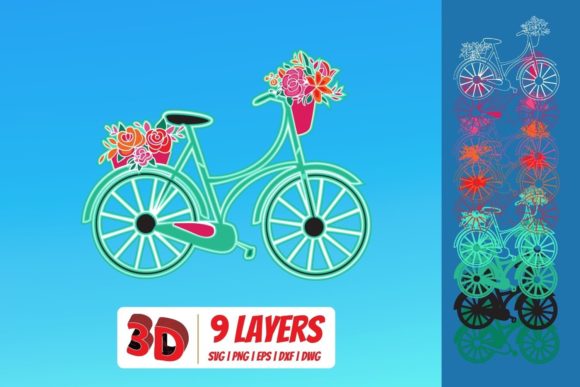
There is something universally appealing about the bicycle. It represents freedom, eco-friendly commuting, vintage nostalgia, and modern athletic performance all rolled into one sleek frame. For crafters, designers, and small business owners, capturing that essence in a physical product is a rewarding challenge. This is where digital cut files come into play, specifically high-quality vector graphics like the 3D Bicycle SVG. Whether you are looking to create custom decals for water bottles, design t-shirts for a local cycling club, or produce intricate wall art, having the right digital assets is the first step toward a professional finish.
When searching for the perfect graphic to bring your vision to life, it is not just about finding an image of a bike. It is about finding a versatile, scalable, and compatible file format that works seamlessly with your specific cutting machine and software. The modern crafter’s toolkit often requires flexibility, which is why comprehensive download packages that include multiple formats—such as SVG, DXF, PNG, and EPS—are invaluable. Let’s explore how these different formats serve various needs and how you can integrate a 3D Bicycle SVG into your creative workflow.
Understanding File Formats: Why Variety Matters
One of the most common questions beginners ask when starting with vinyl cutting or laser engraving is: "Which file do I use?" The answer depends entirely on the software you have and the material you are working with. A robust download package typically includes a zipped folder containing four distinct file types, each serving a unique purpose in the production pipeline.
SVG: The Gold Standard for Modern Cutters
Scalable Vector Graphics (SVG) is currently the most popular format for electronic cutting machines. Because SVGs are vector-based, they can be resized infinitely without losing quality or pixelation. This makes them ideal for everything from tiny stickers to large banners. When you use a 3D Bicycle SVG, you are utilizing a file that retains crisp lines and precise curves, ensuring that the details of the bike’s gears, spokes, and frame remain sharp regardless of the output size.
This format is particularly powerful because it supports complex layering and color separation, allowing for more intricate designs. However, its compatibility is tied to specific software ecosystems. If you are using modern cutting machines, the SVG is likely your go-to format.
DXF: Bridging the Gap for Basic Software
Not everyone has access to premium software suites. Many hobbyists start with entry-level machines like the Silhouette Basic Edition, which may have limited import capabilities. This is where the DXF (Drawing Exchange Format) becomes essential. DXF is a widely supported vector format that acts as a universal translator between different CAD and design programs.
If your software struggles to open an SVG file, a DXF version of the 3D Bicycle SVG ensures you aren’t left stranded. It provides the same geometric precision but in a structure that older or more basic software can read easily. It is a practical safety net that guarantees your project can move forward even if your primary toolset is limited.
EPS: Professional Design Integration
For those who work in graphic design agencies or use professional desktop publishing tools, the Encapsulated PostScript (EPS) format is often preferred. EPS files are compatible with industry-standard software such as CorelDraw, Inkscape, and Adobe Illustrator. These programs offer advanced editing features that allow you to manipulate paths, adjust colors, and combine the bicycle graphic with other typography or elements before sending it to the cutter.
Using the EPS version of a 3D Bicycle SVG allows for greater control over the final design. You might want to add text around the bicycle, change the line weights, or merge it with another logo. Having the EPS file ensures that the vector data remains intact during this editing process, preventing any loss of fidelity.
PNG: Ready-to-Print Raster Options
Sometimes, you don’t need a vector file at all. Perhaps you are printing directly onto fabric using a sublimation printer, or you need a quick thumbnail for a website preview. This is where the PNG (Portable Network Graphics) file comes in. Unlike vectors, PNGs are raster images made of pixels. However, a high-quality PNG downloaded alongside your vector files will feature a transparent background, allowing it to blend seamlessly onto any surface.
It is crucial to ensure the PNG is 300 DPI (dots per inch). This resolution is considered the standard for high-quality printing. At 300 DPI, the 3D Bicycle SVG rendered as a PNG will look crisp and clear, avoiding the blurry, pixelated edges that occur with lower-resolution images. This format is perfect for photo-based applications where cutting paths are unnecessary.
Software Compatibility and Workflow Efficiency
Having the right file is only half the battle; knowing how to import it correctly is the other. The versatility of the 3D Bicycle SVG shines when paired with the right software ecosystem. Different brands of cutting machines have developed their own proprietary software environments, and understanding these connections can save hours of frustration.
If you are a Cricut user, you will primarily rely on Cricut Design Space. This cloud-based platform handles SVG imports beautifully, allowing you to resize, slice, and weld shapes with ease. Similarly, users of the Silhouette Cameo series will find the Silhouette Designer Edition highly capable of managing complex vector cuts. For those who prefer dedicated PC software, Make the Cut MTC and Sure Cuts A Lot SCAL are excellent choices. These programs offer advanced features like nesting materials to minimize waste and detailed contour cutting options.
Brother users should note that while Brother machines often use their own proprietary formats, the Brother Scan and Cut “Canvas” software can handle imported SVGs, making it possible to use third-party designs like our bicycle graphic without needing to convert them manually. This cross-compatibility is a major benefit of choosing a multi-format download package.
Practical Applications for the 3D Bicycle Graphic
Once you have mastered the technical aspects of importing and preparing your file, the creative possibilities are endless. The aesthetic of a 3D-style bicycle graphic lends itself well to several popular crafting niches.
- Apparel Design: Use HTV (Heat Transfer Vinyl) to apply the bicycle design to cotton tees, hoodies, or caps. The 3D effect adds depth and visual interest compared to flat silhouettes, making it stand out on retail shelves.
- Home Decor: Create layered wood signs or acrylic displays. By using different colored vinyls or paints, you can emphasize the shadows and highlights inherent in a 3D design, turning a simple bike graphic into a piece of wall art.
- Lifestyle Accessories: Apply the decal to reusable water bottles, laptop sleeves, or yoga mats. The durability of vinyl combined with the timeless appeal of a bicycle makes for a gift that appeals to cyclists and non-cyclists alike.
- Event Branding: Local charity rides, bike shops, and cycling clubs often need branded merchandise. A high-quality 3D Bicycle SVG provides a professional look that elevates the perceived value of event t-shirts and banners.
Considerations for Best Results
To get the most out of your 3D Bicycle SVG, keep a few practical tips in mind. First, always check the complexity of the design before cutting. If the graphic has many small details, ensure your cutting blade is sharp and your material is properly tensioned. Thin vinyl or delicate paper may require slower cutting speeds to prevent tearing.
Secondly, utilize the "weeding" process carefully. Weeding is the act of removing excess material from around your design. With a 3D-style image, there may be overlapping shapes or internal details that require precision tweezers to clean up. Taking your time here results in a much cleaner final product.
Finally, consider the end-use environment. If your bicycle decal is going outdoors, such as on a car bumper or garden sign, ensure you use weather-resistant materials. UV-resistant vinyl will prevent the colors from fading under direct sunlight, preserving the vibrant look of the 3D effect for years to come.
In conclusion, the ability to access a 3D Bicycle SVG in multiple formats—SVG, DXF, PNG, and EPS—provides unparalleled flexibility for creators. Whether you are a seasoned pro using Adobe Illustrator or a beginner starting with Cricut Design Space, having these resources in a convenient zipped folder streamlines your workflow. It allows you to focus less on technical hurdles and more on bringing your creative ideas to life, one cut at a time.